Environment
Volusia County's Beaches Just Had Their Best Sea Turtle Season Ever, and It's Not Over Yet
The county logged its 1,517th nest of 2026, breaking a record set in 2023 — with nesting season running through Oct. 31.
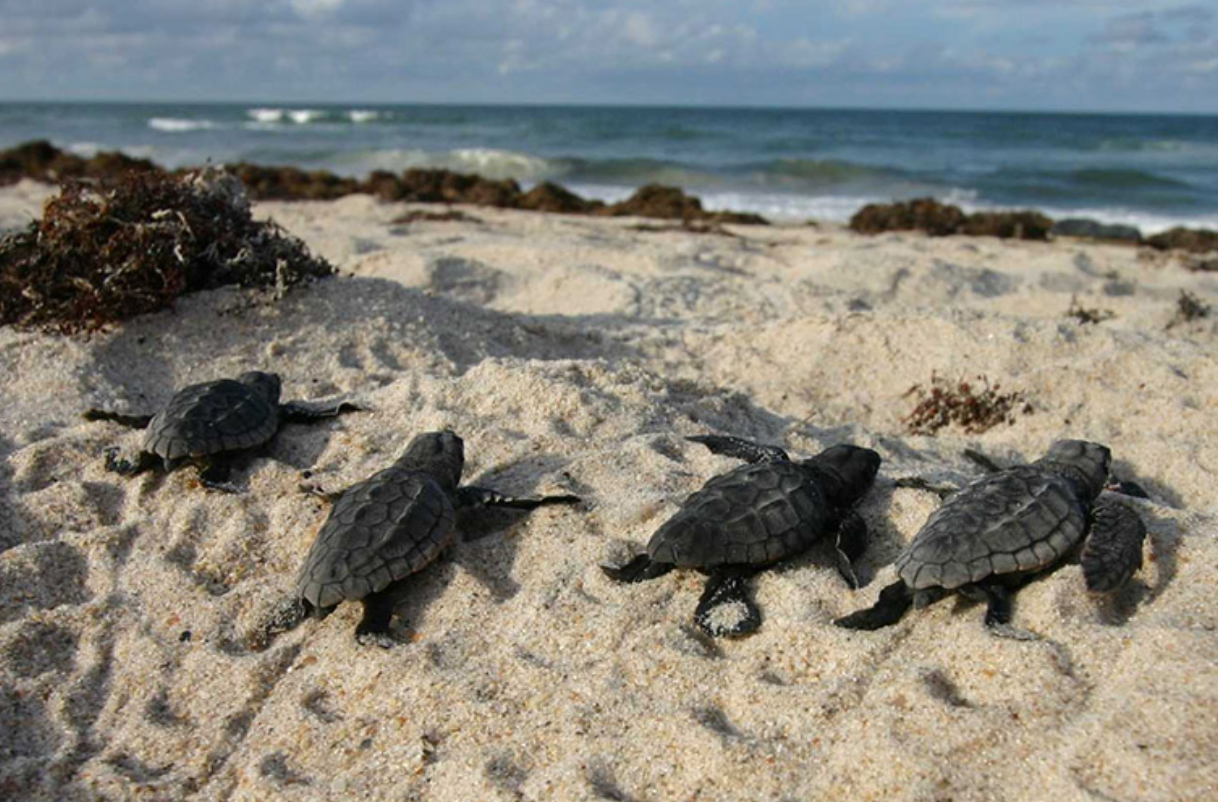
Volusia County's beaches have officially made history this year, recording the most successful sea turtle nesting season since the county began tracking the data. And with nesting season still running through the end of October, the final number could climb even higher.
Breaking a three-year-old record
The county documented its 1,517th sea turtle nest of the 2026 season on the morning of Wednesday, July 22, in Daytona Beach Shores, surpassing the previous all-time record of 1,516 nests set during the 2023 season. By the time the nest was confirmed, a fresh set of tracks in the sand told the story: a loggerhead had come ashore sometime late Tuesday night or early Wednesday morning, made her way up the beach, and returned to the water after laying her eggs.
“We’ve seen the nesting numbers kind of steadily increasing every year,” said Nicole Weiss, Volusia County’s Habitat Conservation Plan field manager.
A record-breaking season from the start
This year’s milestone didn’t come out of nowhere. Volusia County’s 2026 season was on a record pace from its earliest weeks, with 695 nests documented by June 11 — more than 250 ahead of the pace set during the record-breaking 2023 season, which had only reached 444 nests by that same date. New Smyrna Beach in particular led much of the early count, with 377 of the county’s 770 total nests recorded there by mid-June.
Three species regularly nest along Volusia County’s beaches: loggerhead, green and leatherback sea turtles. This year’s season has also included multiple nests from Kemp’s ridley sea turtles, widely regarded as the rarest and most endangered sea turtle species on Earth — a notable detail for a county not usually considered a primary nesting ground for the species.
Why the numbers keep climbing
According to Weiss, the surge isn’t just a one-year fluke. Sea turtles typically take 20 to 30 years to reach reproductive maturity, meaning today’s record-breaking numbers reflect decades of conservation work — protections established years or even decades ago finally showing up on the beach in the form of more nesting females. The trend isn’t unique to Volusia County either; nesting numbers have been rising statewide in recent years.
How the county tracks it all
Throughout nesting season, which runs from May 1 through Oct. 31, county staff and volunteer sea turtle monitoring partners survey Volusia County’s beaches every morning to locate, document, mark and monitor new nests — work that also supports hatchlings as they make their way to the water in the weeks after eggs are laid.
How residents and visitors can help
With hatchlings still emerging from nests across the county in the coming weeks, officials are asking beachgoers to do their part: observe marked nesting areas, turn off or shield any lights visible from the beach at night, remove beach furniture and equipment each evening, fill in holes, flatten sandcastles, and dispose of trash properly. Disoriented hatchlings drawn toward artificial light instead of the ocean remain one of the biggest preventable threats to a nest’s survival.
With more than two months left in the season, Volusia County’s already-record year is expected to keep growing before nesting season officially closes on Oct. 31.
Based on Volusia County sea turtle nesting data for the 2026 season and remarks from Nicole Weiss, the county's Habitat Conservation Plan field manager.